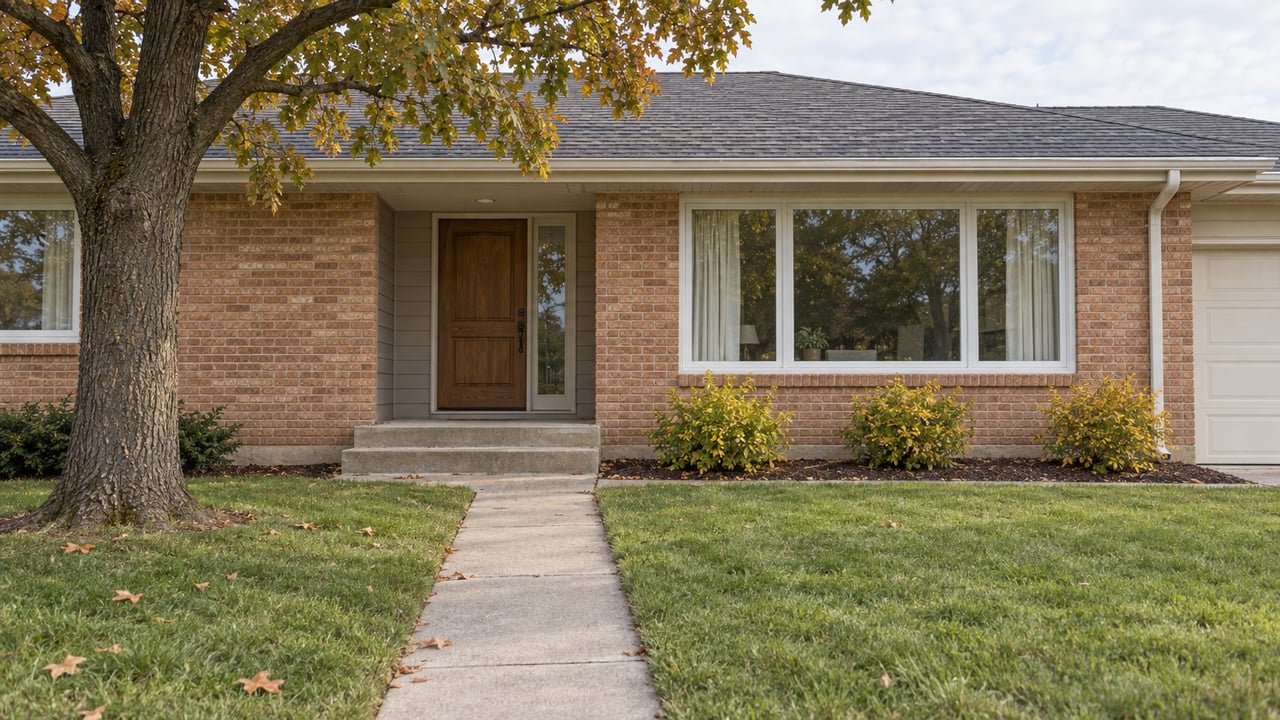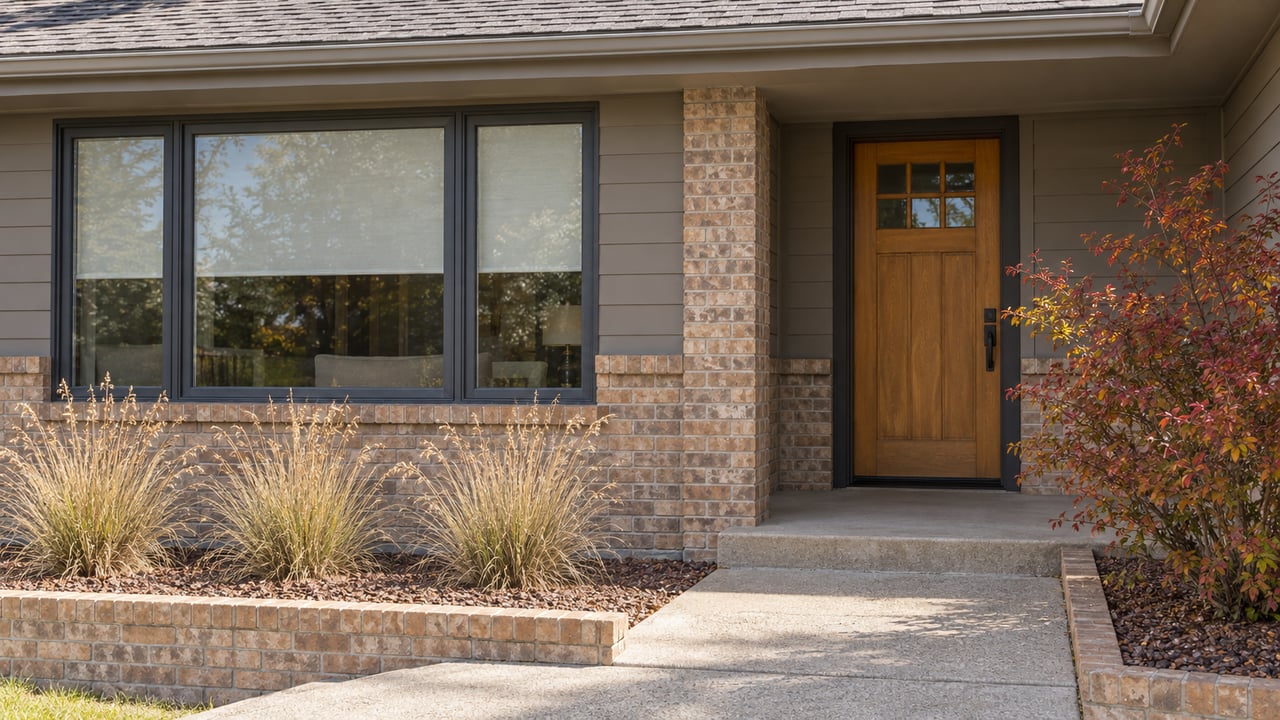
Two homes in Erie can share a floor plan, a school boundary, and a $740,000 sticker and still cost their owners hundreds of dollars a month apart. The gap doesn't show up on the MLS. It shows up on the second or third property tax bill, once the county assessor has caught up with a new build and the metro district mill levy has finally landed in escrow. If you're comparing Erie against Broomfield, Lafayette, or Longmont on price alone, you're comparing the wrong number.
The mechanism hiding inside the sale price
Erie's growth over the last twenty years has been financed through a tool most buyers only half understand. A metro district is a financing tool used by developers to fund new development and the necessary infrastructure to support that new development. Developers use bonds to build, then impose a mill levy on residents of the district to pay off those bonds, so only the residents of a metro district pay an additional property tax for the development of the district rather than all residents of the town.
That's the mechanism. The consequence is that your address, not your price, sets your carrying cost.
The Town of Erie's own mill levy is modest. The Town's mill levy rate is 14.137. Layered on top of that are the county, the school district, the fire district, and, in most post-2000 subdivisions, a metro district. Metro districts can add real weight. One 2026 explainer of Colorado property taxes reports that metro district mill levies can add 30 to 50 mills on top of standard rates, which on a $550,000 home is an extra $1,500 to $2,500 per year. On an Erie home closer to the current market, the delta scales up.
For context on that market: the median sale price of a home in Erie was $773,000 over the three months ending May 2026, up 10.4% since the same period last year, and the median sale price per square foot was $268. Days on market have stretched slightly, with homes selling after 42 days on average compared to 44 days a year earlier. A market that is still moving, but no longer forgiving of budget surprises.
A worked example
Imagine two Erie homes listed the same week at $740,000. One sits in Old Town, platted long before metro district financing was standard. The other sits inside a newer district near Erie Parkway.
| Line item | Old Town home | Newer subdivision home |
|---|---|---|
| List price | $740,000 | $740,000 |
| Base mill levy (town, county, schools, fire) | ~80 mills | ~80 mills |
| Metro district add-on | 0 mills | 40 mills |
| Estimated annual property tax | ~$3,700 | ~$5,550 |
| Added monthly escrow | $0 | ~$155 |
The mill counts above are illustrative rather than parcel-specific. Actual mills vary by district and year, and the residential assessment rate itself has been moving. As Erie's finance page confirms, for residential properties the assessment rate is set by the state, and as of January 2025 the rate is 6.25%. The point isn't the exact dollar figure. The point is that a $155 monthly difference on identical listings is a mortgage rate move disguised as a tax code, and it changes what a lender will let you borrow.
That last piece is the friction buyers underestimate. Higher escrow raises your debt-to-income ratio, which shrinks your qualifying loan amount, which can push you out of the same house you thought you'd already priced.
Why the first tax bill often lies
Here is the twist that catches new-build buyers in particular. The metro district line item may be absent from the tax bill you inherit at closing, and absent again from the one that arrives the following January. That absence is not a break. It is a delay.
The Town of Erie is direct about this timing. If you're buying a newly constructed home in a metro district, you may not see the metro district mill levy on your property tax bill right away. New homes must undergo valuation by the county's assessor, which typically happens within the first year after a home is built. It may not be until after that first valuation that the metro district mill levy is added to tax bills and therefore mortgage and escrow bills. While some owners might see the amount on their first bill after closing, it's more common for the tax to show up one to two years later.
Lenders base initial escrow on the tax bill they can see. When the district mill lands in year two, escrow rebalances, monthly payment jumps, and the buyer who budgeted from the closing disclosure feels ambushed. They weren't ambushed. The information was public. It was just filed somewhere they didn't know to look.
Metro districts also aren't static. The mill levy can rise after you buy your home. If the district faces financial issues or needs to cover debt, the mill levy can rise, which directly increases your property taxes, and the details of how high it can go and under what conditions are spelled out in the service plan. The service plan is a public document. Reading it before you write an offer is not paranoia. It is due diligence.
What to pull before you write an offer
For any Erie home built after roughly 2000, work through this list during your inspection period, not after.
- Identify the district by name. The Town of Erie can confirm which metro districts overlap a specific parcel. Named districts like Erie Commons Metropolitan District Nos. 1–3 have their own websites, boards, and filings.
- Read the service plan. This is the governing document. It sets the cap on debt mills and describes what happens as bonds are retired.
- Pull the most recent adopted budget and current mill levies. Debt service and operations mills are usually listed separately.
- Review bond disclosures on EMMA. The Municipal Securities Rulemaking Board's EMMA portal hosts official statements and continuing disclosures for municipal bonds. It will tell you what the district owes and when it matures.
- Verify parcel-level tax history. For Erie homes in Weld County, the Weld County Assessor publishes assessed values and tax histories by parcel. Homes on the Boulder County side of Erie should be checked with the Boulder County Assessor.
- Ask the lender to model both scenarios. Have them price the loan with the district mill included, not just the current bill.
- Ask the title company about liens and special assessments. Some obligations don't ride on the mill levy and can surface only in the title commitment.
If your agent hasn't done steps one through four before you tour, you don't have a full picture of the offer you're about to write.
How Old Town Erie changes the math
The reason Old Town Erie sits differently in the market isn't just the age of the houses. It's the absence of a district mill on most parcels. That absence can offset a higher price per square foot, and it explains a chart that would otherwise look strange.
The median sale price of a home in Old Town Erie was $378,000 in March 2026, with a median sale price per square foot of $347, up 37.7% year over year. Smaller footprints, older bones, and a per-foot number that runs well above the town-wide $268. Some of that premium is neighborhood character. Some of it is a rational buyer pricing in the tax base she isn't inheriting.
The interpretation goes further. In newer Erie subdivisions, part of what a buyer would otherwise pay upfront in price is instead financed over decades through the district mill. In Old Town, that infrastructure was paid for long ago. Two buyers can prefer two very different tradeoffs and both be right. The mistake is not seeing that the tradeoff exists.
Quick answers
Is a metro district the same as an HOA? Metro districts are different from an HOA in that the metro district has taxing authority and provides infrastructure while an HOA is typically funded through fees which are used for maintenance of shared spaces within the neighborhood. A single Erie neighborhood can have both.
Do metro district taxes ever come down? Sometimes. Districts often move through a debt-repayment phase and then a maintenance phase, and mills can step down as bonds are retired. The service plan and the bond amortization schedule tell you whether that is realistic on your timeline or whether the debt has been restructured to extend.
Has the state done anything about disclosure? Yes. Recent Colorado legislation has tightened metro district disclosure and set additional guardrails on mill caps and governance. The Colorado Department of Local Affairs publishes service plans, budgets, and board information through its Local Government Information System, and Erie's own review policy applies to districts approved after July 26, 2022, when the Board of Trustees approved the Review Policy.
Is a metro district a reason not to buy? No. It is a reason to price the home you're actually buying, not the one you see on the listing. A well-run district with a clear amortization schedule and reasonable caps can be a rational way to finance infrastructure. A poorly-run one is a monthly payment problem waiting to compound.
Erie is a good place to live and a nuanced place to buy. The neighborhoods aren't interchangeable, and the tax base under your feet is part of what you're purchasing. If you'd like help pulling district budgets, running a real monthly-carry estimate for a specific parcel, or comparing Erie against Broomfield or Loveland with the tax deltas already baked in, Melissa Worth would be glad to walk through the numbers with you before you write your first offer. Let's connect.